Share article


What Is the Caravan Act? UK Caravan & Park Home Law Explained
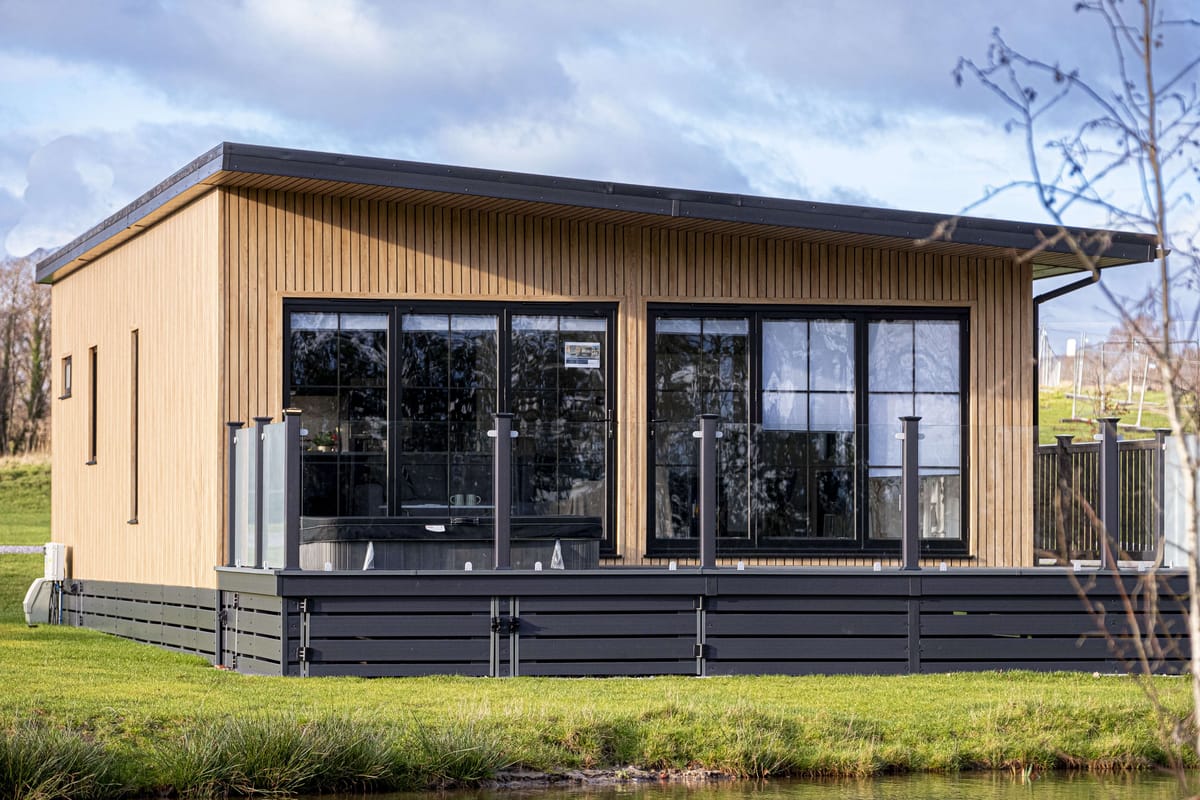
Caravan Act clarified: UK holiday lodges, park homes, and annexes meet strict planning and licensing rules to secure homeowner rights and investment benefits.
If you are considering buying a holiday lodge, residential park home, annexe, or a custom prefabricated home in the UK, understanding the Caravan Act is essential. The law defines whether your structure is classified as a caravan, which directly determines planning requirements, site licensing, and your rights as a homeowner or occupier. At Your Retreats, we are committed to providing total transparency and clarity on this often-misunderstood area of UK property law. We educate our customers at every step, drawing on deep expertise as a leading British manufacturer of luxury lodges and park homes.
The term “Caravan Act” usually refers to two pivotal statutes: the Caravan Sites and Control of Development Act 1960 and the Caravan Sites Act 1968. These laws go far beyond traditional touring caravans; they set the legal standard for everything from mobile holiday homes to high-spec lodges built with modern construction methods, such as our SIPs-based designs at Your Retreats. Knowing where your intended purchase fits in can help you avoid costly planning issues, understand your options, and secure long-term peace of mind in your new home or investment.
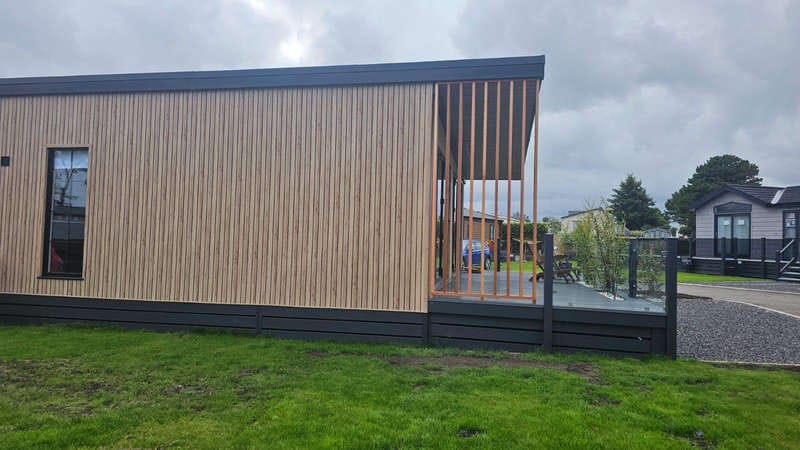
Definition: What Is the Caravan Act?
- The Caravan Sites and Control of Development Act 1960 underpins the regulation and licensing of caravan (and by extension, many lodge and park home) sites across the UK.
- The Caravan Sites Act 1968 offers occupant protections and clarifies what qualifies as a “caravan” for the purposes of planning control.
A caravan, as defined by law, includes any structure designed for human habitation that is capable of being transported. This can cover modern, factory-built lodges or modular park homes that remain moveable, not just traditional caravans. This definition is central when assessing whether a structure requires full planning permission or falls under a different regulatory path.
Why Legal Definition Matters for Buyers
Whether a building is treated as a caravan or as a permanent dwelling radically impacts:
- Whether you need full planning permission or can site your home under the terms of an existing site licence.
- The type of site you can use (holiday park, residential park, or private land).
- Your rights as an occupier and the protections you are entitled to.
- The resale and investment profile of your property.
- The legal and tax treatment, which may differ depending on use and classification.
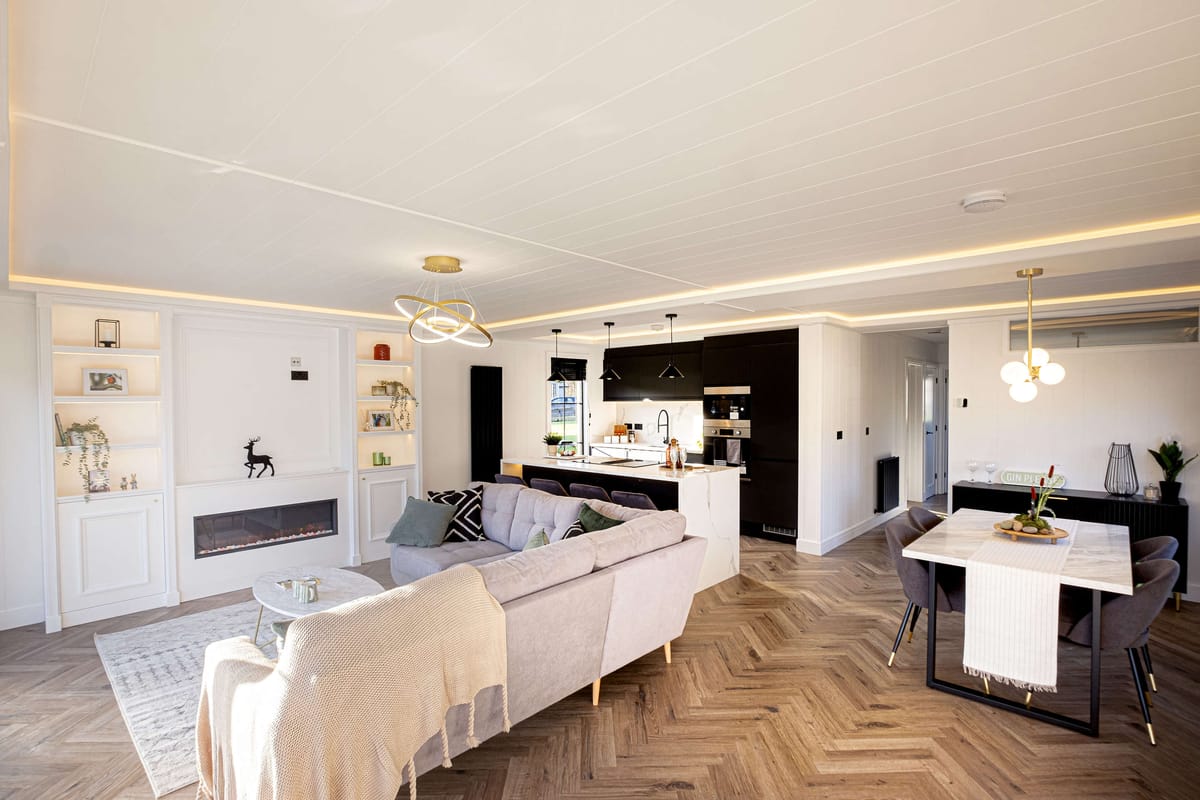
Step-by-Step: How Does the Law Decide If a Structure Is a Caravan?
Legal classification of a caravan is precise. To be classed as a caravan under the legislation, a structure must meet the following criteria:
- Designed for human habitation: The structure must be fit for living in, not merely for storage or other uses.
- Physically moveable: It must be capable of being moved as a whole or in no more than two parts (often seen in twin-unit lodges assembled on site). It does not need to remain on wheels, but must retain the potential for relocation.
- Size limits: To qualify, the maximum dimensions must not exceed 20 metres in length, 6.8 metres in width, and 3.05 metres internal height.
If your intended lodge or home meets these requirements, it may be treated as a caravan even if it closely resembles a house in style, comfort, and materials. At Your Retreats, we design and build homes that fit these definitions while putting creativity, energy efficiency, and comfort at the heart of every project.
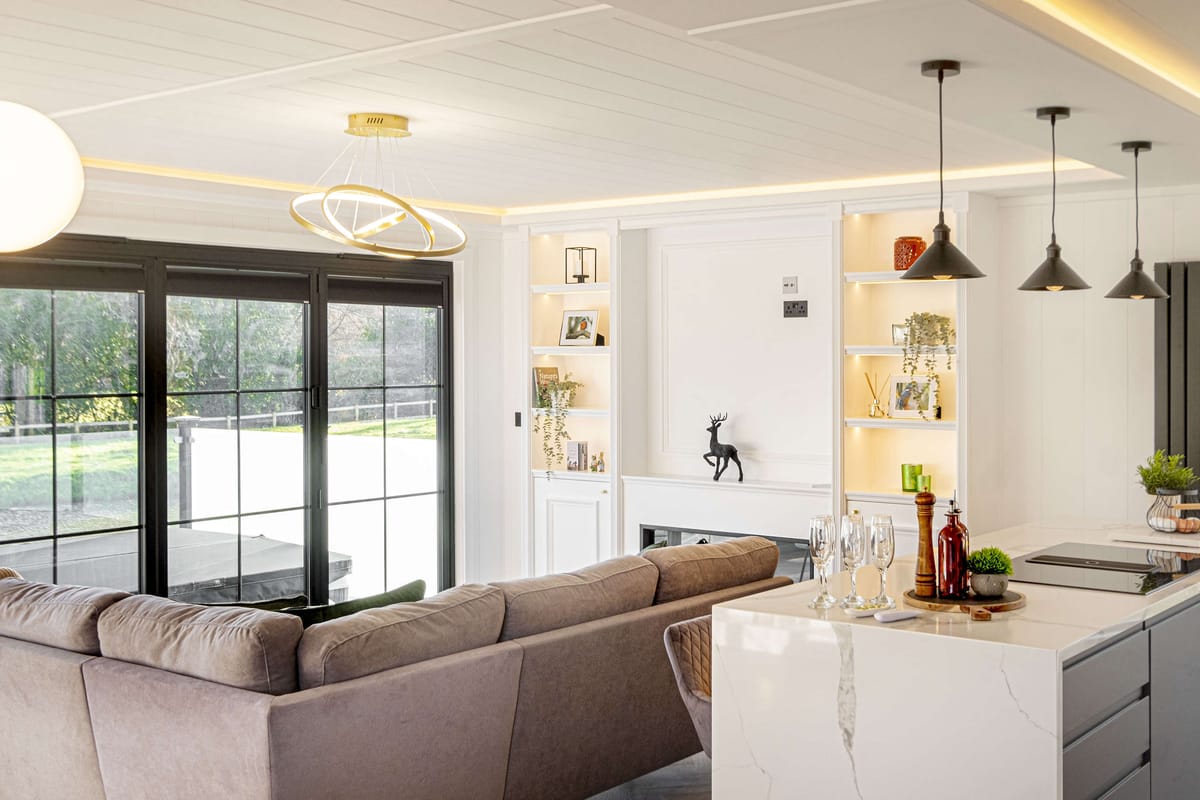
Implications for Holiday Lodges, Park Homes, and Annexes
Understanding the Caravan Act is crucial if you are:
- Buying a holiday lodge for seasonal use
- Purchasing a residential park home for year-round living
- Adding an annex or granny annex to your own land
- Exploring prefabricated, modular, or SIP-built homes
Some lodges and homes will fall within the scope of caravan law, opening up opportunities to use existing licensed sites or benefit from permitted development rules. Others, particularly those permanently fixed to the land or exceeding key dimensions, will need full planning and must comply with building regulations as houses.
Our approach at Your Retreats is collaborative and fully consultative. We help you work through these distinctions at the earliest stage and confirm the correct legal pathway for your situation, whether you are joining an established park or siting your new home on private land.
Common Myths and Misconceptions
- “If it looks like a house, it must be a house.”
In reality, the legal test is not about appearance – it is about the method of assembly, dimensions, and whether it is designed to be moveable. We have delivered high-end homes that achieve the feel of a modern detached bungalow, while also providing the technical compliance of a caravan for sites that require it. - “A caravan is for holiday use only.”
Site licensing may restrict some parks or homes to holiday or seasonal occupation, but the legal definition of a caravan covers structures used for permanent living too. Always check your intended park or site’s licence and use agreement. - “Any off-site build is a caravan.”
While our factory-built models (including our luxury SIP-built homes) are assembled off site for speed, precision, and minimal disruption, only those that meet the mobility and dimension criteria will qualify legally as caravans – this distinction is vital, particularly for custom designs or larger commissioned builds.
Practical Steps: Protecting Your Interests
- Understand your site: Is it licensed for holiday use, residential occupation, or annexe/ancillary accommodation? If you are unsure, we guide you through site checks and relevant local authority discussions.
- Clarify the status of your chosen build: We provide detailed technical drawings and confirmation on qualifying dimensions and assembly methods, so you know exactly what you are buying.
- Review planning and licensing implications: Our expert team walk you through local requirements and connect you with reputable planning consultants when appropriate.
- Request documentation and warranties: All Your Retreats homes and lodges include transparent documentation, full compliance with BS 3632:2023 for year-round comfort, and a robust aftercare package for long-term security.
This careful, personalised approach is one of the main reasons our clients trust Your Retreats for both their dream retreats and long-term homes. You do not just get a beautiful building – you gain certainty and confidence from the moment you first enquire to the day you move in (and long after).
Caravan Act vs. Planning Permission: What’s the Relationship?
It is crucial to note that caravan law does not remove the requirement for planning permission in every scenario. While a build that meets the caravan definition may use permitted development regimes or site licence rules, many residential park homes and annexes still require some form of planning or site-specific consent. Our team helps you avoid assumptions, ensuring your choice is always fully legal, robust, and future-proof.
If you are comparing your options – for example, whether a log cabin, static caravan, or modular home is best for full-time residency – you may find our guide on log cabins versus residential lodges helpful as a starting point.
Best Practices: Navigating the Caravan Act with Confidence
- Work with an experienced manufacturer: At Your Retreats, we have spent years navigating these regulations for both private buyers and park operators. We know the practicalities inside out.
- Ask for technical clarity up front: Insist on a full specification, annotated drawings, and written confirmation of legal status relevant to your land and intended use.
- Verify all site licensing or planning permissions in writing: If in doubt, we will connect you with a planning adviser who understands lodge and park home law intricacies.
- Make build quality and aftercare a priority: Every home and lodge we deliver is designed and built in our own 60,000 sq ft British factory, combining superior SIP construction and meticulous attention to detail for year-round comfort.
- Protect your investment: Demand robust aftercare, a clear warranty (all Your Retreats homes include it), and absolute transparency throughout.
How We Make the Buying Process Stress-Free
Our role as a leading UK luxury lodge and park home manufacturer is not just to build beautiful, warm, energy-efficient spaces, but to give you clarity when it comes to compliance, legal status, and future-proofing your investment. We guide you through each decision with confidence, passion, and pride – combining technical excellence with honest, accountable advice.
As you move from first research to completion and beyond, expect answers and support every step of the way. Our mission and values are built around reassurance, transparency, and long-term customer happiness.
Frequently Asked Questions
Is the Caravan Act the same as planning permission?
No. The Caravan Act sets definitions and some site requirements. Planning permission is enforced separately by local authorities and is still required for many installations.
Does a home need to be on wheels to count as a caravan?
No. The test is whether it can be physically moved in one or two main sections. Most factory-built park homes and lodges do not have wheels but may be movable by lorry or trailer if required, complying with caravan regulations.
Can a residential park home be treated as a caravan legally?
Yes, where it meets the mobility and size criteria and is sited on land licensed for that purpose, but not every large annexe or bespoke build will qualify. Always ask your supplier for a clear classification tailored to your purchase. Your Retreats provides this as standard practice for every project.
What documents should I check before paying a deposit?
Demand clear, written specifications, proof of compliance to BS 3632:2023 (for residential homes), site licence evidence (if moving to a park), and transparent aftercare details. If dealing with a bespoke build, ask for annotated technical plans and full warranty terms.
What is the first step if I want to add a lodge or annexe to my land?
Consult with experts as early as possible. Our team will clarify your legal position, review your site and intended use, and work with you or your planning adviser to ensure a compliant, stress-free process from start to finish. Explore examples of past projects and case studies that showcase what’s possible with the right guidance and partnership.
Conclusion
Decoding the Caravan Act is vital if you want certainty, security, and true value from your lodge, park home, or modular living space in the UK. Regulations are specific, but with our confident, accountable approach, you will never have to navigate them alone. We encourage you to reach out for a transparent, no-pressure conversation about your vision, your land, and your unique requirements.
For further expert advice and hands-on support, learn more about our luxury lodge and park home ranges, see real-life projects and customer stories, or get in touch with our team. At Your Retreats, we are proud to help create stunning, compliant homes that enrich our customers’ lives for years to come.
Related articles
We couldn't find any other news articles
See all news

Discover what makes each of our lodges unique

