Share article


How to Prevent Condensation in a Lodge During Autumn and Winter

Prevent condensation in a lodge during autumn and winter with effective insulation, ventilation and heating that ensures a healthy, comfortable indoor home.
Condensation can quickly take the shine off lodge living in the colder months, but it is absolutely preventable with the right approach. The most reliable way to prevent condensation in a lodge during autumn and winter is by combining effective insulation, controlled ventilation, steady background heating, and mindful everyday habits. At Your Retreats, we believe that a stunning home should be genuinely comfortable all year round, with the building itself making great living effortless for you—never a battle against the elements.
Understanding why condensation happens, and how to tackle it at its root, gives you the power to protect your investment, health, and daily enjoyment of your space. We take pride in designing and building lodges where you can truly relax, not worry about damp, musty corners or chilly mornings. Below, you’ll find everything you need—clear advice, proven preventative steps, and honest insight into what works and what doesn’t in a modern lodge.
What is Condensation? A Precise Definition
Condensation is the process where water vapour in warm air comes into contact with a cold surface and turns into liquid droplets. In lodges, this most often appears on windows, exterior walls, and in neglected corners—especially in autumn and winter, when warm indoor air meets cooler surfaces and ventilation may be reduced. If left unchecked, these droplets support mould growth, rot, musty odours, and visible damp that can tarnish both comfort and building integrity.
Why Condensation Is a Challenge in Lodges
Lodges (including park homes and modular cabins) are particularly at risk for condensation problems for several reasons:
- They are often used seasonally, heated intermittently, and contain high-activity areas like kitchens and bathrooms within a compact footprint.
- Cold snaps in autumn and winter can drop internal surface temperatures suddenly, catching out less insulated or poorly ventilated spaces.
- Everyday life—cooking, showering, drying clothes—adds significant moisture to the air inside your lodge, and this has to go somewhere.
But here’s the good news: with a carefully specified structure and a considered daily routine, condensation does not have to disrupt your experience or damage your investment.
The Your Retreats Approach to Condensation Control
We take a proud, accountable stance as designers and builders—condensation prevention is built into our philosophy, not an afterthought. All Your Retreats homes and lodges use structural insulated panels (SIPs) and are constructed to meet or exceed BS 3632:2023 standards, ensuring exceptional insulation, airtightness, and ventilation from day one. When you step inside a Your Retreats lodge, you can instantly feel the difference—steady warmth, dry surfaces, air that feels genuinely fresh and healthy.
This technical and design commitment makes it easier for you to enjoy a dry, mould-free, healthy home during even the wettest British winters.
Step-by-Step Framework: Preventing Condensation in Your Lodge
1. Reduce Moisture at the Source
- Always use lids on pans and keep kitchen door closed while boiling or steaming.
- Take shorter showers or install a low-flow shower head to reduce humidity spikes.
- Dry laundry outdoors if possible, or use a tumble dryer that vents to the outside.
- Avoid drying clothes on radiators except in well-ventilated rooms.
2. Ventilate Consistently and Effectively
- Open windows every day for at least 20 minutes, even when it’s cold outside.
- After cooking or showering, let moist air escape by opening a kitchen or bathroom window temporarily.
- Make sure extractor fans are used—and maintained—especially in bathrooms and kitchens.
- Never block vents or trickle vents above windows, and keep internal doors ajar to encourage air flow.
3. Maintain Steady, Background Heating
- Try not to let your lodge temperature drop dramatically between visits, especially in winter.
- Use gentle, consistent heating rather than bursts of high heat, to keep walls and windows above dew point.
- Heat all main rooms to avoid ‘cold spot’ build-up.
4. Insulate—and Use the Benefits Built In
- Check that insulation is in good order beneath floors, inside walls, and in roof spaces.
- If you have thick curtains or insulated blinds, use them at night to keep heat in, but be careful not to trap moisture against cold windows all day.
- Your Retreats SIP-built lodges offer highly effective insulation as standard, making this step easy for you.
5. Allow Air to Circulate Behind Everything
- Don’t push heavy furniture (sofas, beds, wardrobes) tightly against external walls. A small gap allows air—and heat—to circulate, preventing cold, damp patches.
- Periodically check behind large items and in corners through the colder months for early signs of moisture.
6. Tackle Moisture Immediately
- Wipe away any morning condensation on windows, sills, and tiles to deny mould a foothold.
- Be vigilant for leaks—around windows, beneath sinks, or at rooflines—especially after storms or heavy downpours.
- If you spot persistent damp in one area, investigate rather than ignore. Sometimes, it’s a leak rather than just condensation.
7. Keep Vents and Extractors Clear
- Every autumn, clean extractor fan grills and check vents aren’t obstructed by dust or storage.
- Blocked airways can sabotage even the best insulation and quickest heating systems.
8. Use a Dehumidifier (for Stubborn or Older Lodges)
- In some older or more airtight lodges, a dehumidifier can help—but only as a support tool, not a total solution.
- Empty the unit regularly, and continue to ventilate and heat as above for best results.
Best Practices: The Your Retreats Weekly Autumn & Winter Checklist
- Open windows for 20+ minutes each day
- Use extractor fans every time you cook, bathe, or shower
- Check, clear, and maintain all vents
- Dry laundry outside or in a vented dryer when feasible
- Keep background heat steady, not stop-start
- Check corners, under beds, and behind sofas weekly for early signs of condensation
- Wipe all wet surfaces before leaving the lodge if it’s unoccupied for several days
- If you note a persistent damp smell or see new black spots, act immediately
The Role of Design: Why Your Retreats Homes Are Different
Let’s be honest—the best way to prevent condensation is to start with a home built for real, year-round living. That’s why we use SIPs (Structural Insulated Panels) and focus on BS 3632:2023 standards in every single lodge and park home we construct. This gives you:
- Far warmer internal surfaces—less chance for air to cool and water to condense
- Optimised ventilation routes, not just token window vents
- Genuine energy efficiency, for steady warmth you can afford to use every day
- Long-term resilience, not just for this winter but for every season you call your lodge home
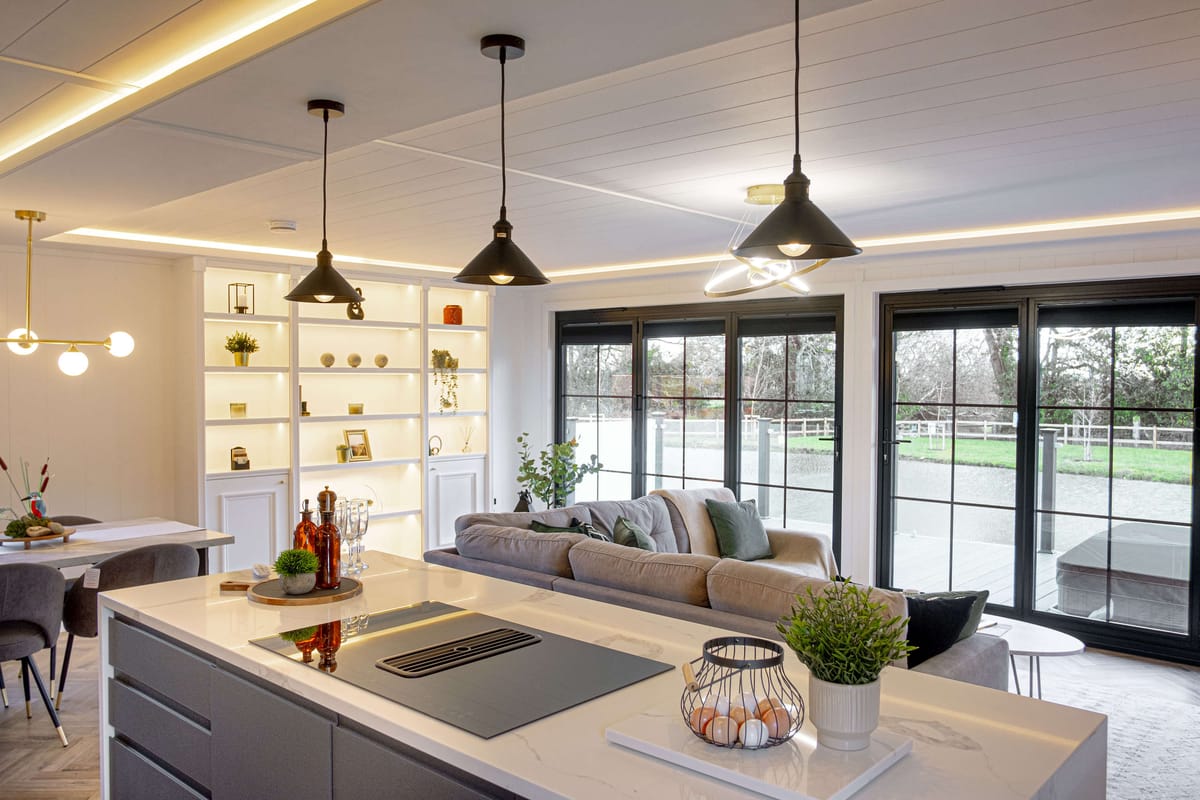
Time and again, owners tell us the ‘feel’ inside a Your Retreats lodge is radically different from older cabins or basic park homes. A great example is the SIP-built Norden home delivered to the Isle of Skye: even in an all-weather, exposed setting, every room delivers unfussy comfort, with no hidden cold spots or seasonal headaches. You can see the case study for the Norden prefab home on our site.
When to Ask for Specialist Help
If you find condensation keeps coming back despite your best efforts—especially if you notice damp patches, musty smells, black mould, or soft spots in walls or ceilings—it’s time to contact a specialist. Ongoing moisture can cause long-term damage (including to timber frames or insulation) and may risk your health. We always advise acting quickly and asking your lodge manufacturer or a building professional for advice before small issues escalate.
Frequently Asked Questions
What are the signs that my lodge has a condensation problem?
- Water droplets on windows, mirrors, or cold walls in the morning
- Black mould around window frames or in corners
- Damp-smelling rooms or bedding that never feels dry
- Persistent damp patches behind furniture or on ceilings
How do design and build quality affect condensation?
High-quality insulation, well-planned ventilation, and advanced construction methods (like SIPs used by Your Retreats) significantly reduce the risk of condensation. Surfaces stay warmer, air circulates better, and the structure actively works against moisture build-up.
What daily routines help the most in winter?
- Ventilate every morning (windows open at least 20 minutes)
- Use extractor fans whenever you cook or shower
- Dry any condensation on windows and sills as soon as you spot it
- Keep soft furnishings like bedding and curtains dry
Can I fix persistent condensation myself?
Most routine condensation issues can be tackled by improving ventilation, using steady background heating, and wiping away moisture promptly. If you notice ongoing damp or mould, or if condensation seems to return no matter what you do, you may need to investigate the structure or insulation further—always ask for professional help to avoid hidden damage.
Is SIP (Structural Insulated Panel) construction really better for moisture control?
Yes—SIP construction, as used in every Your Retreats lodge, raises internal surface temperatures and makes it much more difficult for moisture in the air to condense on cold surfaces. This leads to a drier, healthier indoor environment year-round, with reduced risk of mould and musty odours.
Explore Related Topics
- Are SIP-Built Lodges Warmer and Cheaper to Run Than Traditional Park Homes?
- Modern Amenities to Look for in a New Holiday Lodge or Park Home
- How Long Does It Take to Build a Bespoke Holiday Lodge?
- Holiday Lodge or Residential Park Home: Which Is the Better Investment?
Conclusion: Confident Lodge Living—Your Retreats Sets the Standard
We are deeply passionate about giving you a lodge experience that is beautiful, functional, and easy to enjoy every single season. Condensation does not need to be part of your autumn or winter—when we design and build at Your Retreats, your comfort, wellbeing, and long-term satisfaction drive every decision we make. We build for resilience and reliability so you don’t have to worry. If you want a home where you can be truly proud, and confident about every detail, explore the Your Retreats difference—we’d be honoured to guide you on the next step.
Discover more at Your Retreats, where honest advice, accountable service, and a passion for better living are always centre stage.
Related articles
We couldn't find any other news articles
See all news

Discover what makes each of our lodges unique

