Share article


Prefabricated Homes - A Comprehensive Guide
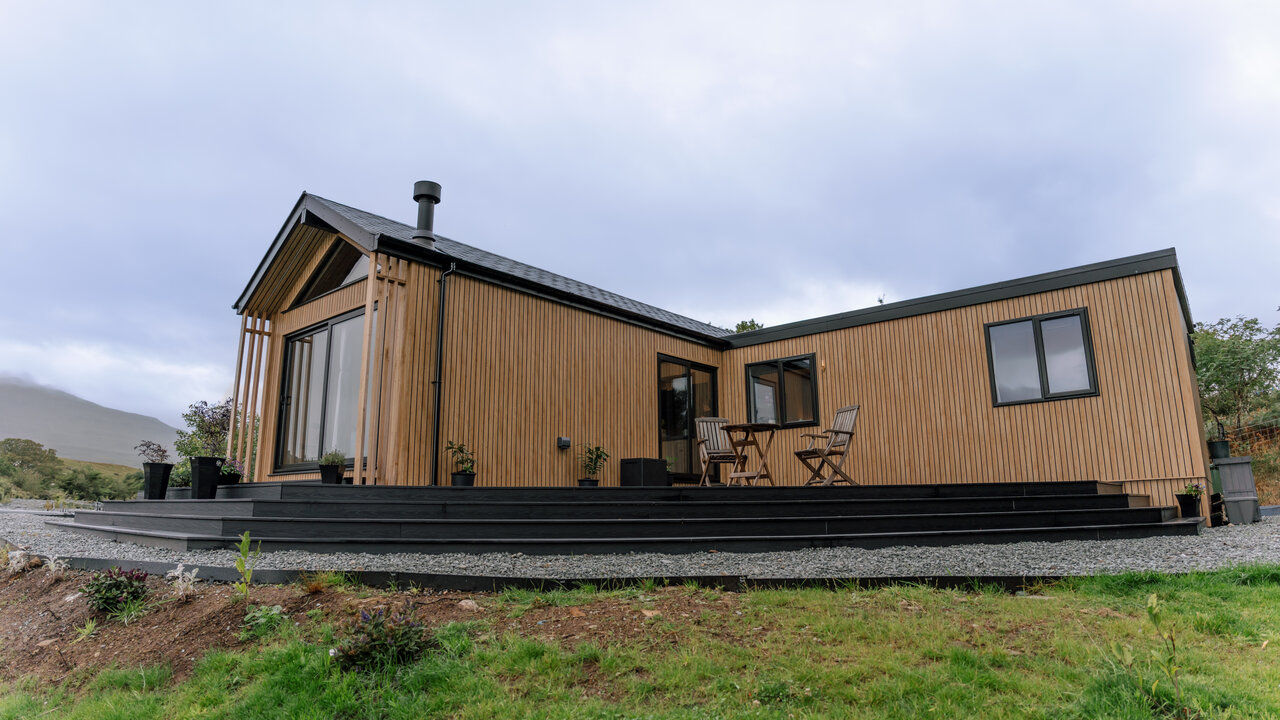
Prefabricated homes have become an increasingly important part of the UK housing conversation. Once viewed as a niche or temporary solution, modern prefabricated homes are now widely recognised for their build quality, efficiency and suitability for long-term living.
Rising construction costs, labour shortages, sustainability targets and the need for faster housing delivery have all contributed to the growing popularity of prefabricated construction. Today’s prefabricated homes bear little resemblance to outdated stereotypes. Instead, they are carefully engineered buildings, manufactured with precision and designed to meet modern expectations of comfort, performance and aesthetics.
This guide explores what prefabricated homes are, how they are built, the different types available, and how they compare to traditional housing. It is intended as an impartial, educational resource for anyone considering a prefabricated home in the UK.
What Are Prefabricated Homes?
A prefabricated home is a building that is manufactured off-site in a factory environment before being transported to its final location for assembly. Rather than constructing the entire home from raw materials on-site, prefabrication involves producing components or modules under controlled conditions.
These components may include wall panels, floors, roofs or complete three-dimensional sections. Once delivered to site, they are assembled onto prepared foundations, creating a finished home in a much shorter timeframe than traditional construction.
The defining characteristic of prefabricated homes is not their appearance, but the way they are built. The emphasis is on precision manufacturing, repeatable quality and reduced reliance on weather-dependent site work.
Prefabricated homes are used for a wide range of applications. They are increasingly popular as full-time residences, offering a high-quality alternative to traditional housing.
They are also well suited to annexes and secondary dwellings, providing independent living space with minimal disruption. In addition, prefabricated homes are widely used as holiday accommodation due to their speed of installation and consistent quality.
Rental and investment applications benefit from predictable build costs and durable construction.

Prefabricated Homes vs Traditional Construction
Traditional homes in the UK are typically built brick by brick on-site, often over several months. This method is well established but can be affected by external factors such as weather delays, labour availability and fluctuating material prices.
Prefabricated homes differ in several key ways. Much of the construction process takes place indoors, allowing for consistent quality control and faster build times. As an example, most YourRetreats homes and lodges are finished in 6-12 weeks. Materials are protected from rain and temperature extremes, reducing the risk of defects caused by moisture or poor installation conditions.
Another important difference is predictability. Because prefabricated homes are manufactured in a factory, costs and timelines are often clearer from the outset. This can make budgeting and project planning more straightforward compared to traditional builds, where delays and variations are more common.
Advantages of Prefab Homes
Prefabricated homes offer a number of practical advantages, particularly when compared with traditional on-site construction.
- Clear pricing from the outset
Factory manufacturing allows costs to be defined early in the process, reducing the risk of unexpected extras and budget overruns that are common with traditional builds. - Predictable timelines
Much of the construction takes place off-site, meaning projects are less affected by weather delays, labour shortages or sequencing issues. This contrasts with traditional building sites, where timelines can easily slip. - Consistent build quality
Homes are manufactured in controlled factory conditions, with repeatable processes and regular quality checks. This removes many of the variables associated with on-site workmanship. - Reduced disruption on site
Installation typically takes days rather than months, avoiding prolonged periods of noise, waste and vehicle movements that often accompany traditional builds. - Improved energy performance
Precision manufacturing supports better insulation, airtightness and overall thermal performance, contributing to lower running costs and improved comfort. - Less waste and cleaner construction
Materials are measured, cut and assembled in a factory environment, resulting in less waste compared to conventional building sites where offcuts, spoil and unused materials are common. - Weather-protected construction
Building indoors prevents materials from being exposed to rain and moisture during construction, reducing the risk of defects and long-term performance issues. - Greater certainty overall
Prefabricated homes replace the unpredictability of a live building site with a structured, managed process from design through to installation.
Potential Limitations of Prefab Homes
While prefabricated homes offer many benefits, there are some considerations to be aware of.
- Transport and access requirements
Delivering large components or modules requires suitable access for delivery vehicles and lifting equipment. Restricted sites may require alternative construction approaches. - Upfront planning decisions
Because homes are manufactured in a factory, key design decisions must be finalised earlier in the process than with traditional builds, where changes can sometimes be made on site. - Planning constraints
Local planning policies may influence design, appearance or placement, just as they do with traditionally built homes. - Perception and misunderstanding
Despite modern advances, prefabricated homes can still be misunderstood, with outdated assumptions around quality or longevity that no longer reflect reality.
Different Types and Options
Prefabricated homes can broadly be grouped into two categories based on where the majority of construction takes place. Understanding this distinction helps clarify build quality, timelines, site requirements and overall performance.
Off-Site Construction
Off-site construction refers to homes that are largely built within a factory environment before being transported to site. This approach is also known as modular or volumetric construction.
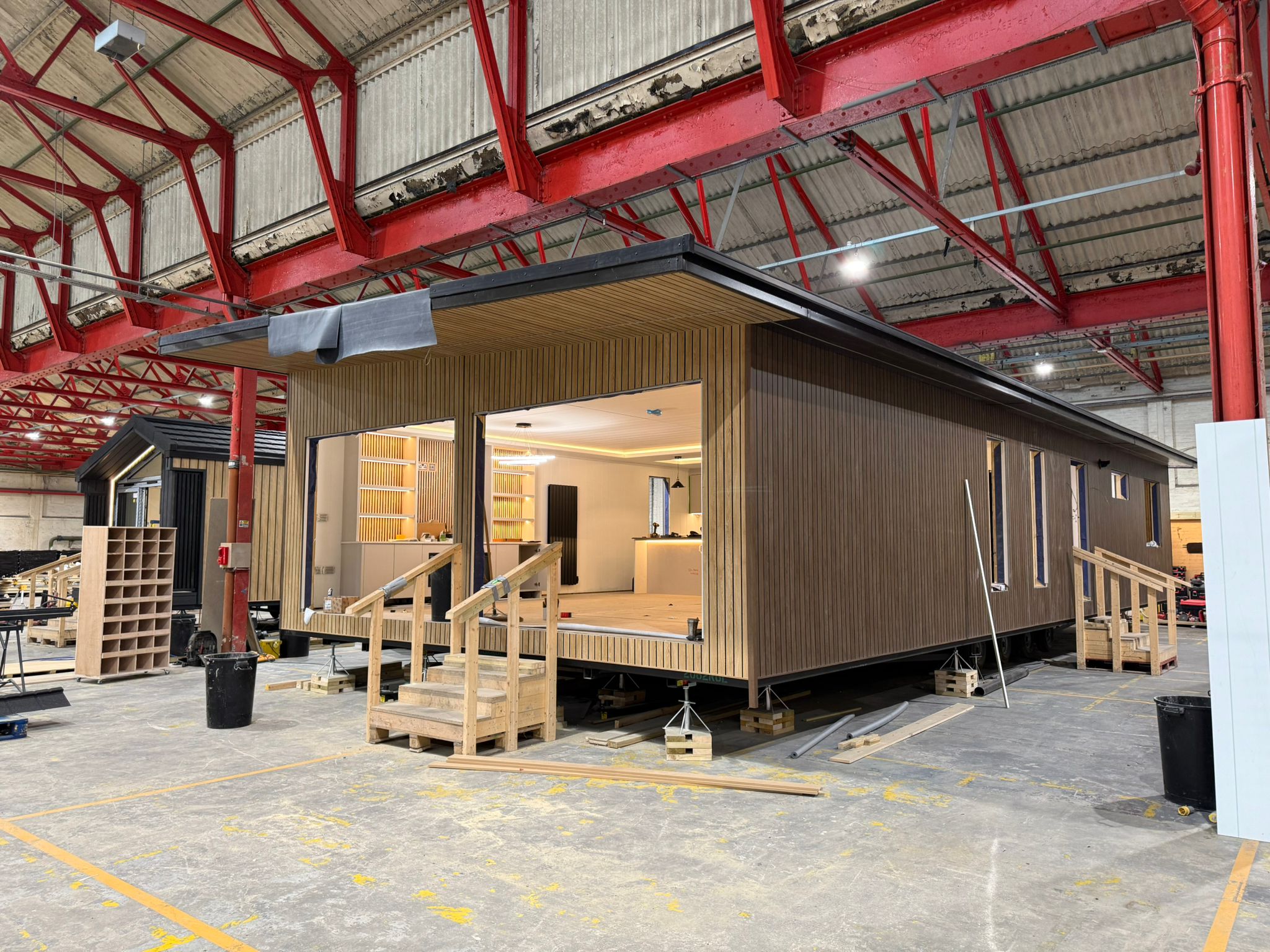
In this method, entire sections of the home are manufactured as three-dimensional units. These modules can include structural elements, insulation, internal walls, windows, doors and, in many cases, completed interiors. Because the work takes place indoors, the build process is not affected by weather, and quality control can be closely monitored at every stage.
Once manufacturing is complete, the modules are transported to site and positioned onto prepared foundations using lifting equipment. The sections are then joined together, services are connected and final commissioning is carried out.
Off-site construction offers several advantages. Build times are significantly reduced, with installation on site often taking days rather than months. Factory conditions allow for tighter tolerances, improved airtightness and consistent finishes. This method is particularly well suited to high-specification homes where performance, durability and year-round comfort are priorities.
Volumetric construction is commonly used for residential homes, holiday lodges and repeatable designs, but it also allows for a high level of customisation when homes are designed digitally before manufacture. This is the approach we use at YourRetreats.
On-Site Construction
On-site prefabricated construction involves the delivery of pre-manufactured components that are assembled at the build location. While elements are produced in a factory, a greater proportion of the construction work takes place on site.
Panelised prefabricated homes fall into this category. Wall, floor and roof panels are manufactured off-site and delivered to the plot, where they are assembled to form the structure of the home. This approach still benefits from factory precision but allows for flexibility where site access or transport limitations make large modules impractical.
Kit homes and flat-pack prefabricated homes are another form of on-site construction. These typically consist of pre-cut structural elements supplied for assembly by a contractor or, in some cases, the homeowner. The level of factory completion varies widely, as does the final quality, which is often dependent on on-site workmanship.
On-site prefabricated systems can be well suited to self-build projects or sites with restricted access, but they generally involve longer build times and greater exposure to weather compared to fully off-site manufactured homes.
How Prefabricated Homes Are Manufactured
Manufacturing takes place in a factory using modern production techniques. This environment allows for precise cutting, accurate assembly and rigorous quality checks at every stage of the build.
Because components are produced to exact specifications, tolerances are tighter than those typically achieved on-site. This results in better structural alignment, improved airtightness and more consistent finishes.
Once manufactured, the home or its components are carefully wrapped and protected before being transported to site. Delivery is planned to align with foundation readiness, ensuring a smooth installation process.
Design and Customisation Options
A common misconception is that prefabricated homes are limited to standard designs. In reality, modern prefabrication allows for a high degree of customisation.
Architectural styles can range from contemporary and minimalist to more traditional forms. At YourRetreats, we've embraced a Scandinavian-inspired design aesthetic, characterised by clean lines, natural materials and an emphasis on light and space.
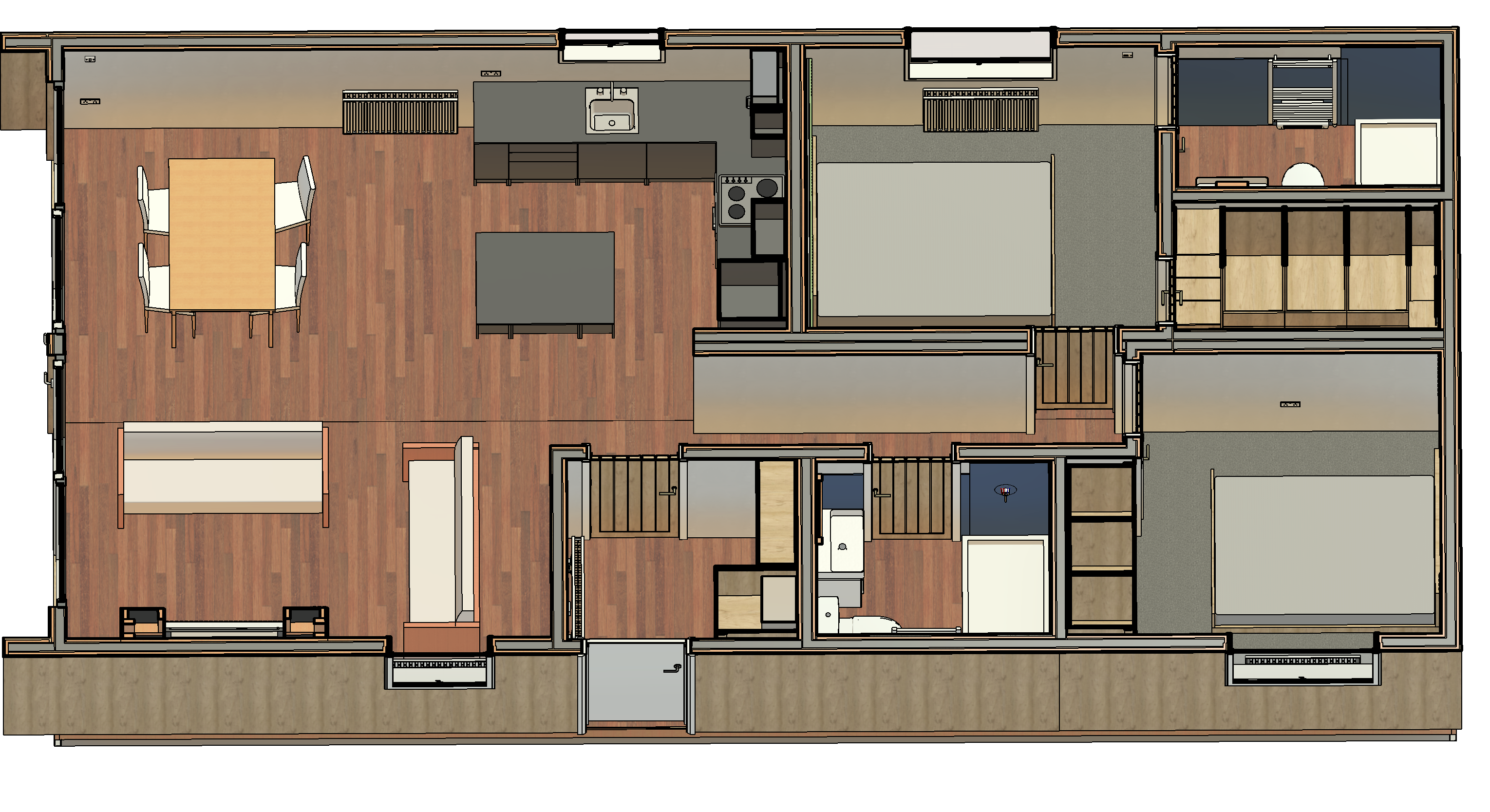
Internal layouts can be tailored to suit individual needs. Open-plan living areas, multiple bedrooms, home offices, utility spaces and storage solutions can all be incorporated into the design. Because the home is digitally designed before manufacture, changes can be made early in the process with clarity and precision.
Some manufacturers offer fully bespoke homes, while others provide configurable base models. Both approaches benefit from the efficiencies of prefabrication, but bespoke designs allow greater freedom in size, layout and finishes. At YourRetreats, we offer both options.
Common Materials Used
The materials used in a prefabricated home play a critical role in its strength, longevity, energy performance and suitability for year-round living. While different manufacturers use different systems, the choice of structural materials is one of the key factors that separates high-performance prefabricated homes from more basic alternatives.
Structural Insulated Panels (SIPs)
Structural Insulated Panels, commonly known as SIPs, are widely regarded as one of the most advanced construction systems used in prefabricated homes. A SIP consists of a rigid insulating core bonded between two structural boards, creating a single, high-performance building element.
Compared to traditional timber frame or other panel-based systems, SIPs are significantly stronger and more durable. Their structural integrity allows for excellent load-bearing capability while maintaining a slimmer wall profile, which can increase usable internal space.
SIPs are also highly energy efficient. The continuous insulation within the panel minimises cold bridging and heat loss, helping to maintain stable internal temperatures throughout the year. This level of thermal performance is difficult to achieve consistently with alternative construction methods, particularly those assembled largely on site.
Another advantage of SIPs is airtightness. Because panels are manufactured to precise tolerances in a factory environment, joints and connections can be carefully designed and sealed, reducing air leakage and improving overall comfort.
For these reasons - strength, durability and superior energy performance - SIPs are the construction system used by YourRetreats. They provide a reliable foundation for prefabricated homes that are designed for long-term use, whether as full-time residences, holiday accommodation or high-specification annexes.
Timber and Engineered Wood Components
Timber frame and engineered wood systems are commonly used in prefabricated construction and are often manufactured in factory environments. However, these systems are still made up of multiple individual components, which can result in more joints, greater potential for thermal bridging and reduced airtightness compared to SIPs.
To achieve similar levels of strength and insulation, timber-based systems typically require thicker wall build-ups, reducing usable internal space. While engineered timber has its place, it does not provide the same integrated structural performance, energy efficiency or consistency as a fully engineered SIP structure - which is why SIPs are the core construction system used by YourRetreats.
Insulation, Membranes and Finishes
Prefabricated homes typically include high-performance insulation, vapour control layers and weather-resistant membranes installed within the factory environment. This controlled setting improves consistency and reduces the risk of installation errors that can affect long-term performance.
Internal and external finishes vary depending on specification but are increasingly selected for durability, low maintenance and thermal efficiency.
Modern Methods of Construction
Prefabricated homes are a key component of Modern Methods of Construction, often abbreviated to MMC. MMC refers to innovative building techniques designed to improve efficiency, quality and sustainability across the construction industry.
The use of factory-based manufacturing, digital design tools and precision assembly aligns prefabricated homes with broader efforts to modernise how homes are built in the UK.
Build Times and Installation
One of the most significant advantages of prefabricated homes is speed. While traditional homes may take many months to build, prefabricated homes are often manufactured within weeks.
At YourRetreats, we typically our builds typically take 6-12 weeks. On-site installation can then be completed in a matter of days, depending on the construction method and site conditions. This reduces disruption, shortens project timelines and minimises exposure to weather-related delays.
Energy Efficiency and Performance
Energy efficiency is a defining feature of modern prefabricated homes. Factory-installed insulation and precise construction result in high thermal performance and improved airtightness.
Reduced heat loss helps maintain comfortable indoor temperatures throughout the year, lowering energy demand for heating and cooling. Improved airtightness also reduces drafts and enhances overall comfort.
Many prefabricated homes exceed minimum regulatory requirements, contributing to lower running costs and reduced environmental impact over the life of the building.
Sustainability and Environmental Impact
Prefabricated construction often has a smaller environmental footprint than traditional building methods. Factory processes generate less waste, and materials are used more efficiently.
Reduced on-site activity means less disturbance to the surrounding environment. Combined with improved operational energy efficiency, prefabricated homes can contribute positively to sustainability goals.

Groundworks and Utilities
Proper groundworks and service connections are a crucial part of any prefabricated home project. While the home itself is manufactured off-site, the site must be correctly prepared in advance to ensure a smooth installation and long-term performance.
Groundworks
Prefabricated homes typically require a prepared base before delivery. The most common foundation options are a concrete pad or screw pile foundations, with the choice depending on ground conditions, site access and intended use.
- Concrete pad foundations - A concrete pad provides a solid, level base and is commonly used where ground conditions are suitable and a permanent foundation is preferred. It offers excellent stability and is well suited to homes intended for long-term or permanent use.
- Screw pile foundations - Screw piles are steel piles that are mechanically driven into the ground, creating a strong foundation with minimal excavation. This option is often chosen where ground conditions are challenging, access is limited, or a lower-impact solution is required. Screw piles can also reduce ground disturbance and are quicker to install than traditional concrete foundations.
Both foundation types must be accurately set out and level, as prefabricated homes are manufactured to precise tolerances. The manufacturer will usually provide detailed guidance on foundation specifications to ensure compatibility with the home.
Utilities and Services
In addition to groundworks, utilities need to be planned and installed in advance. This typically includes:
- Electricity supply
- Water connection
- Drainage and foul water
- Surface water management
Service entry points are usually predetermined during the design stage, so coordination between the manufacturer and groundworks contractor is important. Preparing utilities in advance helps avoid delays during installation and ensures the home can be commissioned quickly once delivered.
Good planning at the groundworks and utilities stage plays a key role in keeping the overall project on schedule and avoiding complications later in the process.
UK Regulations and Standards
The regulatory framework for prefabricated homes in the UK depends on how the home is classified and how it is intended to be used. While many buildings are required to comply with standard Building Regulations, this is not the case for all types of prefabricated homes.
Building Regulations and Prefabricated Homes
Standard Building Regulations apply to most traditionally built houses and some factory-built homes. However, prefabricated homes designed and manufactured under the Caravan Act (as YourRetreats units are) do not have to comply with Building Regulations. Instead, they are built to a separate and specific British Standard, as explained below.
BS 3632 Residential Standard
BS 3632 is the British Standard that governs the construction of residential park homes intended for year-round, full-time living. Prefabricated homes built to this standard are not required to meet Building Regulations, as BS 3632 provides its own comprehensive framework for performance, safety and durability.
The standard covers key areas including:
- Structural integrity
- Thermal performance and insulation
- Fire safety
- Ventilation
- Weather resistance
- Durability for permanent occupation
Homes built to BS 3632 are designed to deliver consistent comfort in all seasons and to function as permanent residences, rather than temporary or seasonal accommodation.
Suitability for Full-Time Living
A prefabricated home built to BS 3632 is suitable for continuous, year-round occupation. This makes the standard particularly relevant for residential park homes, permanent lodges and long-term living solutions where comfort, energy efficiency and durability are essential.
Because BS 3632 is a recognised British Standard, it is widely accepted across the residential sector and provides reassurance to buyers, site operators and insurers regarding build quality and performance.
Planning Permission Considerations
Although prefabricated homes built to BS 3632 are not subject to Building Regulations, planning permission may still be required depending on the location, site classification and intended use of the home.
Planning requirements are determined by local authorities and are separate from construction standards. Early engagement with the planning authority or site operator is therefore important when considering a prefabricated home.
Warranties and Structural Guarantees
Many prefabricated homes are supplied with structural warranties, often lasting ten years. These warranties provide reassurance regarding build quality and long-term durability.
At YourRetreats, we've partnered with Platinum Shield to offer a 10-year structural warranty on all of our homes, giving customers absolute peace of mind in their investment.
Finances
Cost of Prefabricated Homes
The cost of a prefabricated home depends on factors such as size, specification, materials, site conditions and level of customisation.
While upfront costs may be similar to traditional builds, prefabricated homes often offer better cost certainty. Shorter build times reduce labour costs, and improved energy efficiency can lead to lower running expenses over time.
Prefabricated homes are not always cheaper at the outset, but savings are frequently realised through reduced delays, predictable pricing and lower operational costs.
When comparing costs, it is important to consider the full lifecycle of the home rather than just initial build expenses.
Financing and Mortgages
Mortgage availability for prefabricated homes has improved significantly in recent years. Many UK lenders now recognise factory-built homes, particularly those built to established standards and supported by recognised warranties.
As with any property purchase, lending criteria vary, so early discussions with lenders are advisable.
The Prefabricated Home Process
Where possible, visit their factory to see the build quality first-hand, view showhomes, and understand what’s included as standard - as well as what you can upgrade or customise.
Summary
Demand for prefabricated homes is expected to continue growing as the UK seeks faster, more sustainable housing solutions. Advances in materials, digital design and manufacturing are expanding what is possible and improving public perception.
They offer a modern approach to housing that prioritises efficiency, quality and performance. For those seeking a well-built home with predictable timelines and strong energy credentials, prefabrication is an option worth serious consideration.
Related articles
We couldn't find any other news articles
See all news

Discover what makes each of our lodges unique

